Upcoming Mission

Mission 2 to the Moon
Mission Details
Mission Summary
On the heels of completing the first successful commercial Moon landing, Firefly’s second lunar mission is bigger and bolder! For Blue Ghost Mission 2, Firefly was awarded two NASA Commercial Lunar Payload Services (CLPS) task orders to provide payload services in lunar orbit and on the lunar surface, and has since onboarded additional government and commercial customers from across the globe.
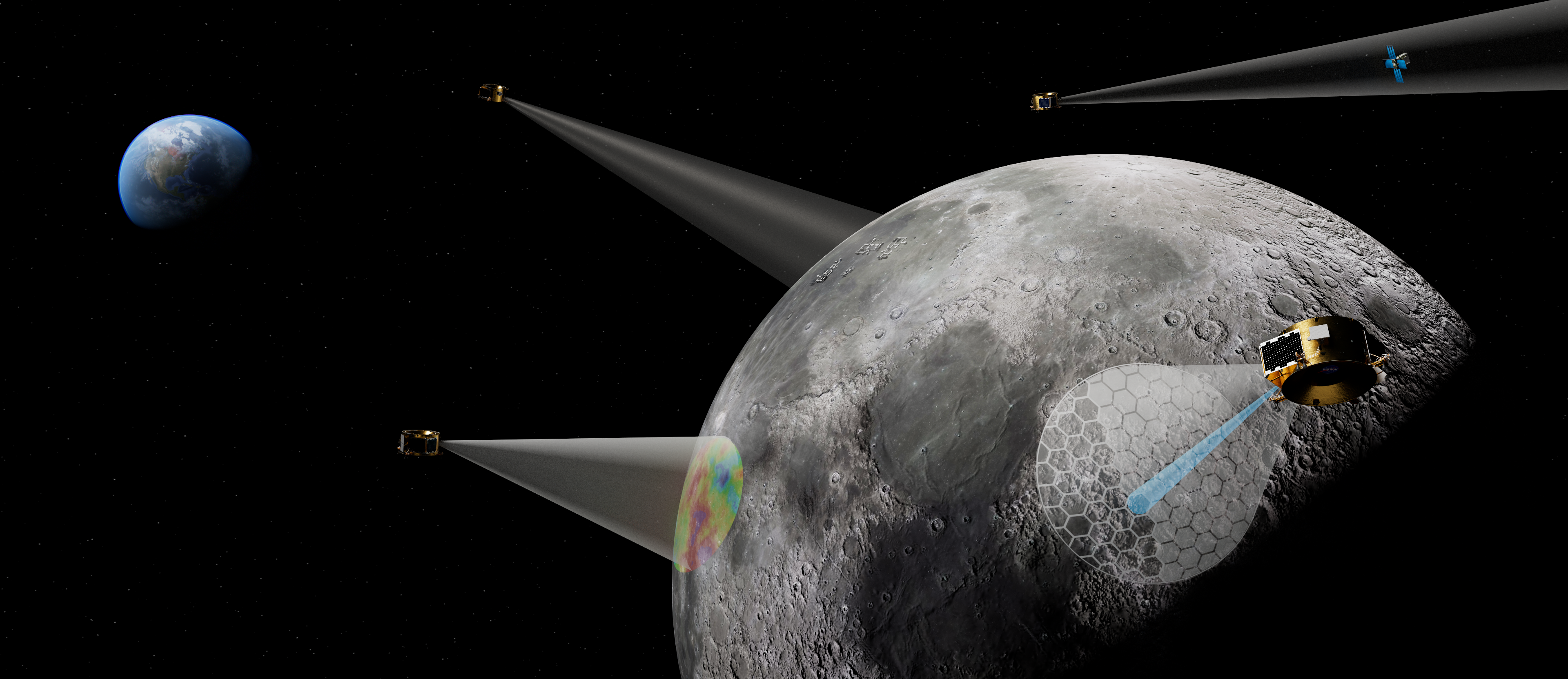
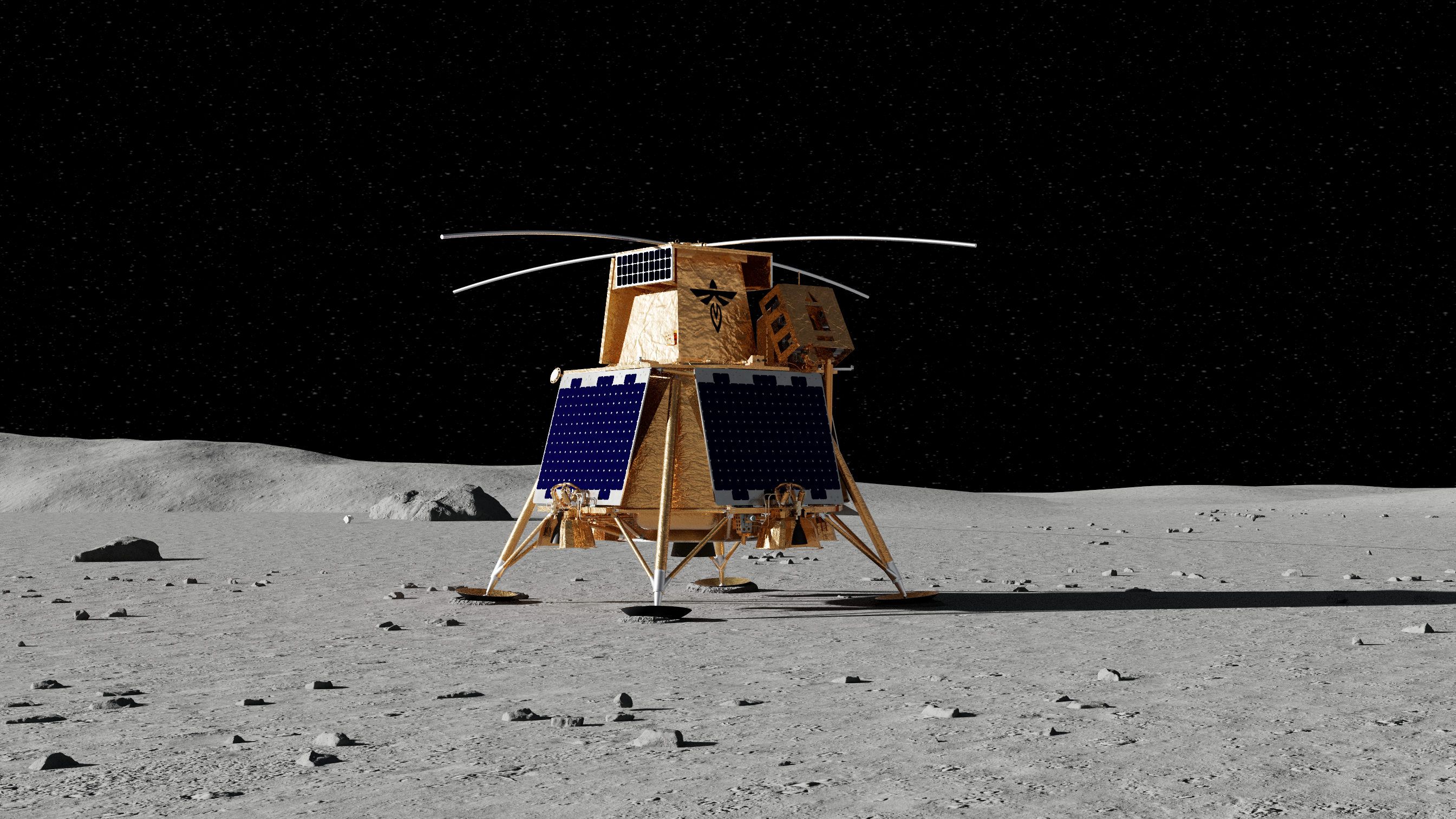
This international mission, set to launch no earlier than late 2026, utilizes a dual spacecraft configuration with Firefly’s Blue Ghost lunar lander stacked on our Elytra Dark orbital vehicle. Elytra will first deploy Blue Ghost and the European Space Agency’s Lunar Pathfinder satellite in lunar orbit. Blue Ghost will then touch down on the far side of the Moon and support payload operations for at least 10 days on the surface while Elytra provides a communications relay and radio frequency calibration services from lunar orbit. As part of Firefly’s mission requirements, Blue Ghost will power off prior to lunar nightfall to avoid interfering with NASA’s LuSEE-Night radio telescope, which will remain integrated on Blue Ghost’s top deck and continue operating on the Moon for up to two years. Following the Blue Ghost mission, Elytra will operate in lunar orbit for five years to enable Firefly’s Ocula lunar imaging service.
Our Payloads
Blue Ghost Mission 2 will pave the way for a lasting presence on the Moon, carrying three payloads through NASA CLPS and three additional government and commercial payloads. With technology, spacecraft, and instruments representing five different countries, including the US, UK, UAE, Australia, and Canada, this international mission will help improve lunar communications, enhance lunar surface mobility, demonstrate technologies for a lunar power network, and provide insights into the geological properties and minerals on the Moon that can support lunar infrastructure and habitation. The payloads will also measure radio emissions across the solar system to peer into the Cosmic Dark Ages and unlock insights about the origins of the universe.
European Space Agency; Surrey Satellite Technology Ltd.
NASA; U.S. Department of Energy
NASA’s Jet Propulsion Laboratory
Fleet Space Technologies
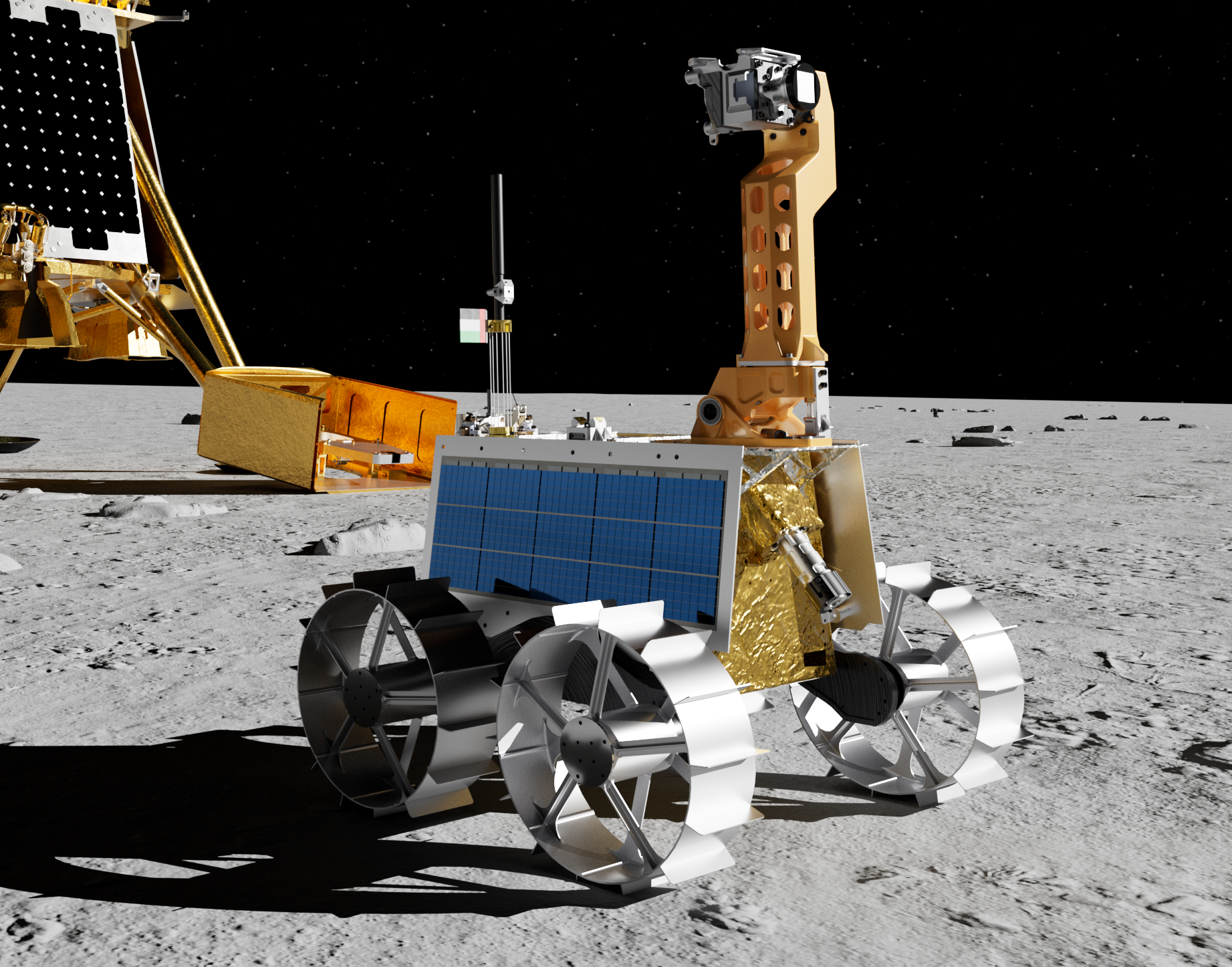
United Arab Emirates’ Mohammed Bin Rashid Space Centre
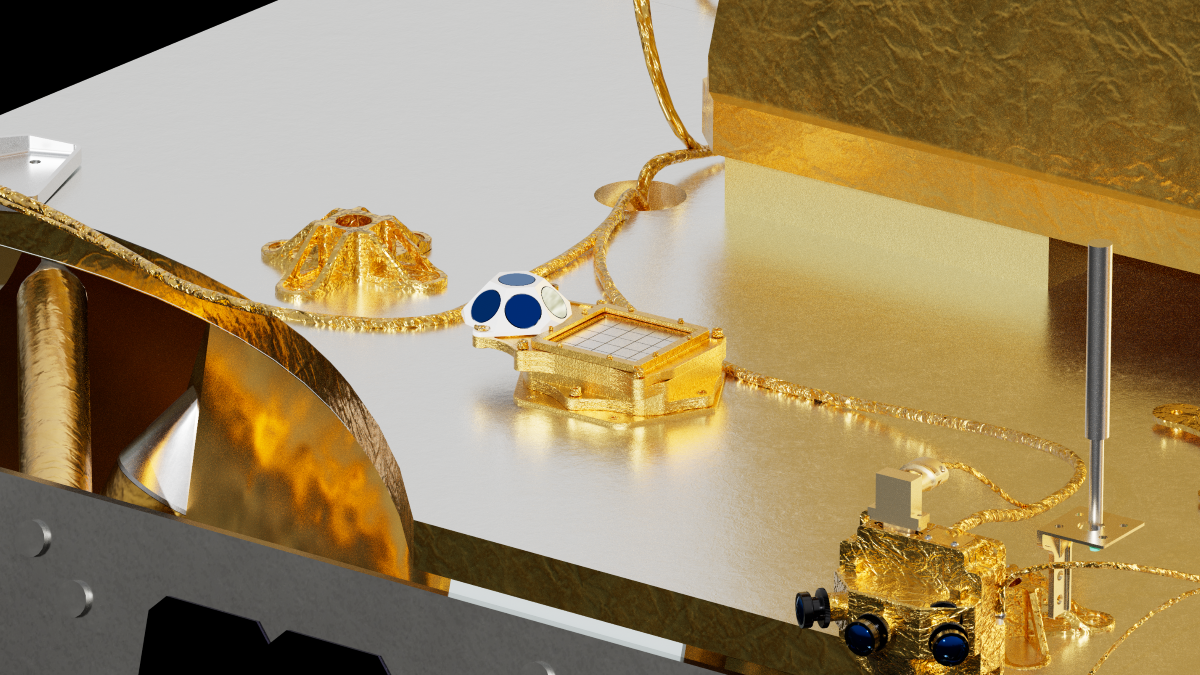
Volta Space Technologies
Lunar Pathfinder
European Space Agency; Surrey Satellite Technology Ltd.
Sponsored through NASA CLPS, the Lunar pathfinder satellite will enable continuous communications services for polar and far side missions on the Moon without direct line of site to Earth. The satellite will communicate with spacecraft on the lunar surface and in orbit using Dual S-Band frequencies, then relay those communications to Earth on X-Band.
Lunar Surface Electromagnetic Experiment at Night (LuSEE-Night)
NASA; U.S. Department of Energy
LuSEE-Night, a NASA CLPS payload, will be one of the first operational radio telescope on the Moon. Attached to Blue Ghost’s top deck, LuSEE-Night will measure low frequency radio emissions (<50 MHz) within the inner solar system and observe the red-shifted 21-cm spectrum remnant from the big-bang. This valuable data will help answer questions about the early history of the universe and how the first stars began to form.
User Terminal (UT)
NASA’s Jet Propulsion Laboratory
Blue Ghost will also carry a User Terminal communications system to the Far side of the Moon. As a NASA CLPS payload, the User Terminal will commission the Lunar Pathfinder satellite and institute a new standard for the S-Band Proximity-1 space protocol, providing uninterrupted communications for future lunar exploration.
Seismic Payload for Interplanetary Discovery, Exploration, and Research (SPIDER)
Fleet Space Technologies
Fleet Space’s SPIDER payload is part of the Australian Space Agency’s Moon to Mars initiative to support future habitation on the Moon. Once deployed to the surface, SPIDER will remain tethered to Blue Ghost for power and communications services, enabling SPIDER to capture seismic data from the lunar surface. This data will offer insights into the geological properties of the lunar subsurface and its minerals that can support lunar infrastructure and further regolith exploration.
Rashid Rover 2
United Arab Emirates’ Mohammed Bin Rashid Space Centre
The Rashid Rover 2 will demonstrate lunar surface mobility on the far side of the Moon and utilize various materials on its wheels to evaluate their durability when exposed to lunar dust. The data collected will help guide the development of future lunar technologies, such as spacesuits, habitats, and other critical infrastructure. Utilizing multiple cameras and probes, the rover will also study the Moon’s plasma, geology, and thermal conditions in support of future in-situ resource utilization.
LightPort Wireless Power Receiver
Volta Space Technologies
Integrated on Blue Ghost’s top deck, Volta’s wireless power receiver, LightPort, will serve as a technology demonstration for Volta’s planned lunar power network, called LightGrid. LightGrid will consist of a network of satellites in lunar orbit that collect solar energy and transmit it via laser to receivers known as LightPorts that are integrated on customer landers, rovers, and infrastructure on the Moon’s surface. The Volta payload hosted on Blue Ghost’s top deck will be used to test and validate the first LightPort, demonstrating how surface users can tap into Volta’s power grid. The mission will further demonstrate how Volta’s dedicated laser-receiver system can be integrated into centralized surface power generation architectures to enable local surface-to-surface power distribution and provide redundant power capabilities as the lunar ecosystem develops.
Our Ride
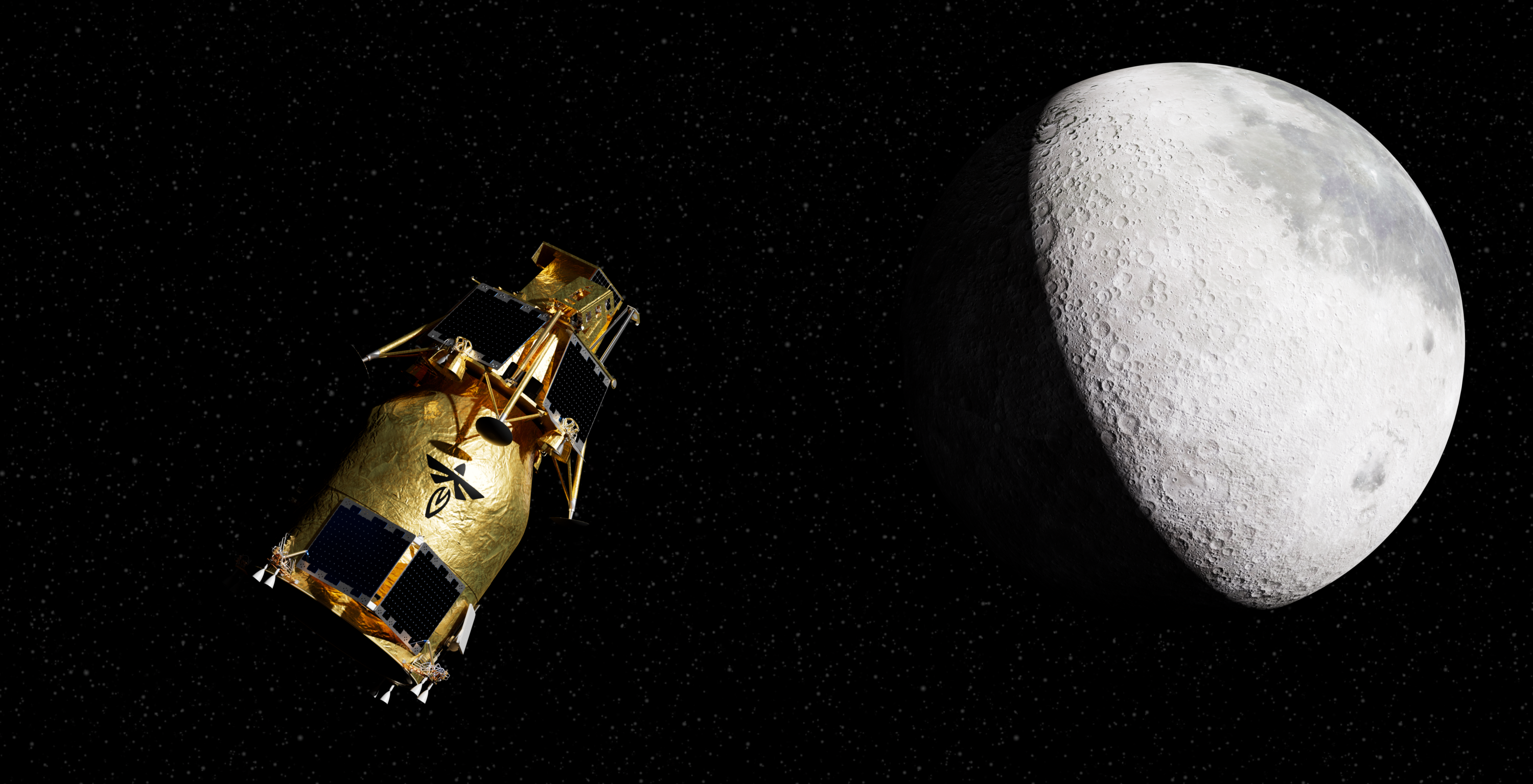
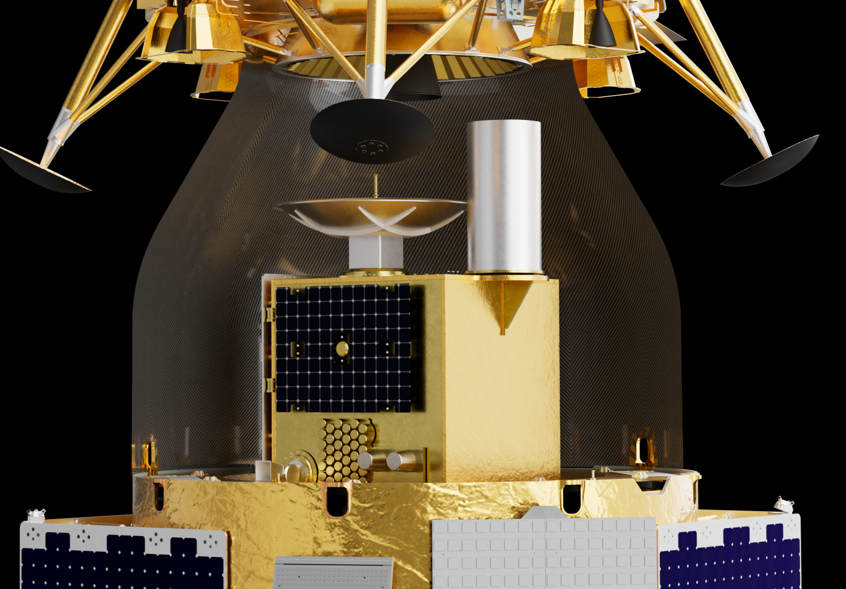
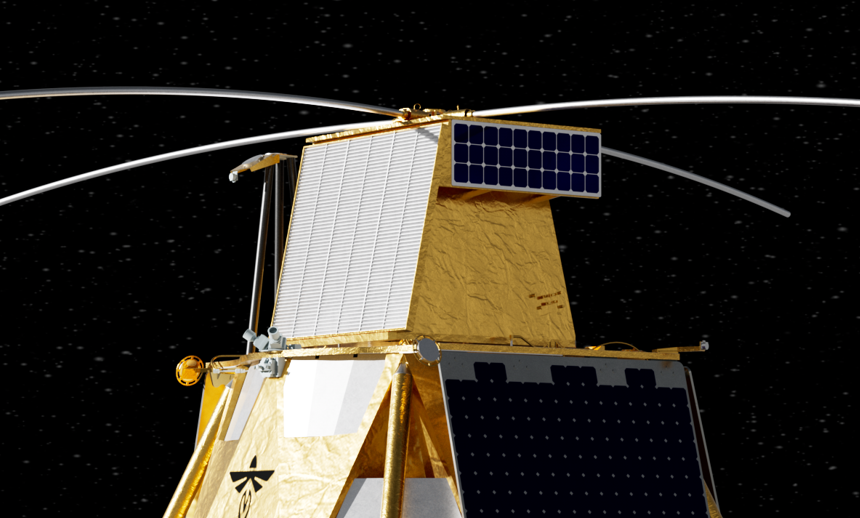
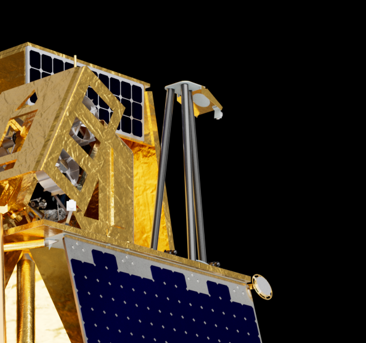
Blue Ghost Mission 2 will debut Firefly’s dual spacecraft configuration with our Blue Ghost lunar lander stacked on our Elytra Dark orbital vehicle. The full structure is 22 feet (6.9 meters) high — more than three times as tall as our Mission 1 lander. This unique configuration enables payload deployment and operations in lunar orbit and on the far side of the Moon. Both spacecraft are built with the same flight-proven hardware and systems that enabled the first successful commercial Moon landing and operations on Blue Ghost Mission 1.
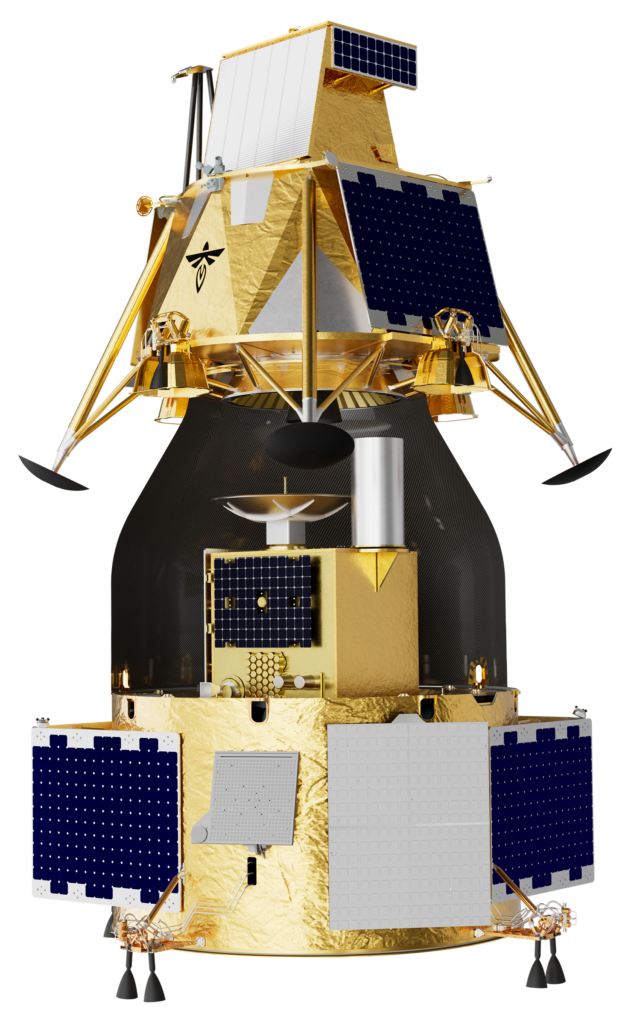
Full Spacecraft Stack
At the top of the stack, NASA’s LuSEE-Night telescope will remain attached to Blue Ghost to measure radio emissions from the lunar surface.
Stacked on Elytra’s dual payload attach fitting (DPAF), Blue Ghost will provide data, power, and thermal resources for multiple payloads upon landing on the far side of the Moon.
Integrated within Elytra’s DPAF, the Lunar Pathfinder satellite will be deployed into lunar orbit to enable communications for future lunar missions.
At the bottom of the stack, Elytra Dark will serve as a transfer vehicle and remain in lunar orbit to provide a communications relay and calibration services for Blue Ghost and the surface payloads.
Our Destination
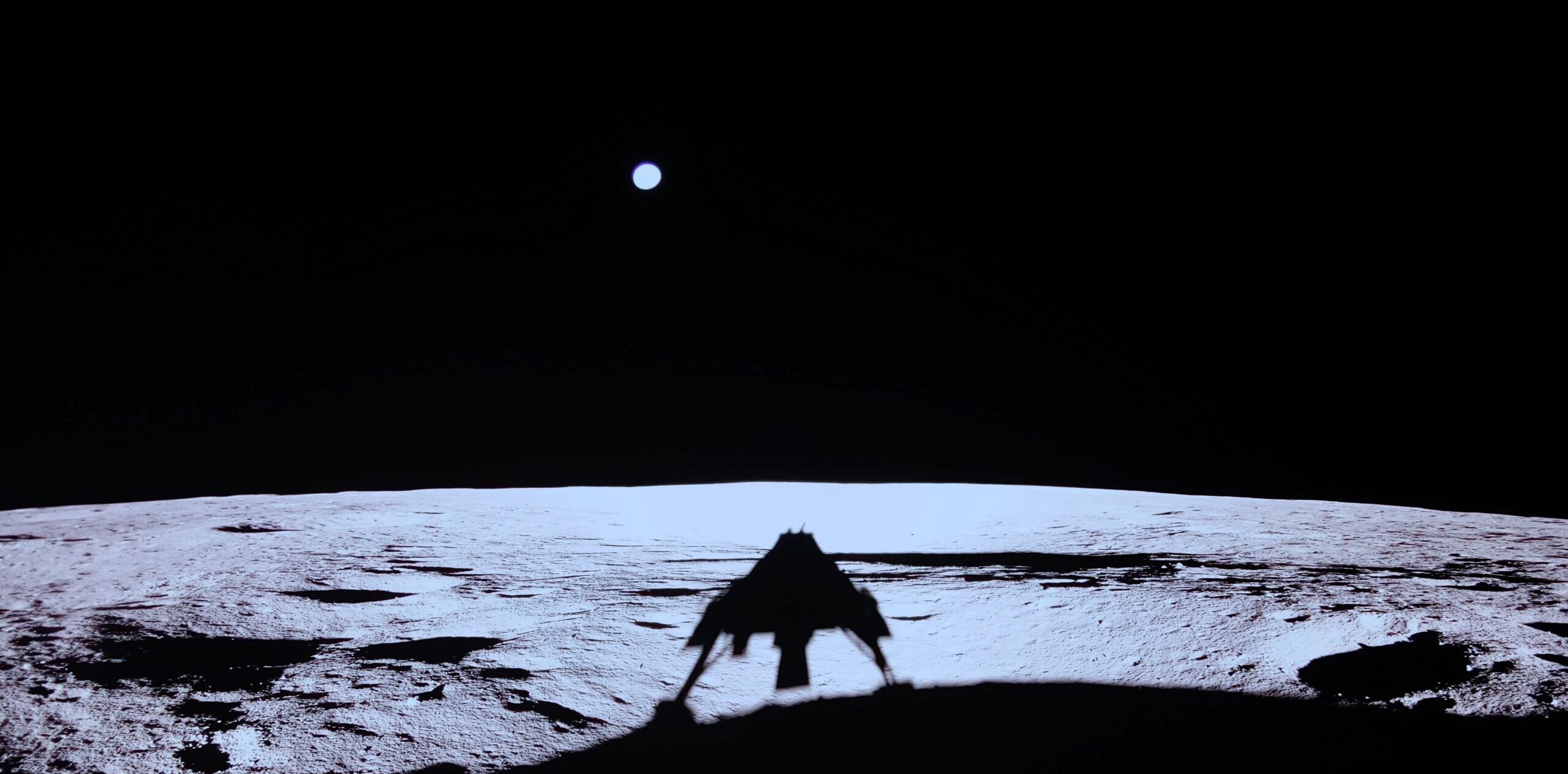
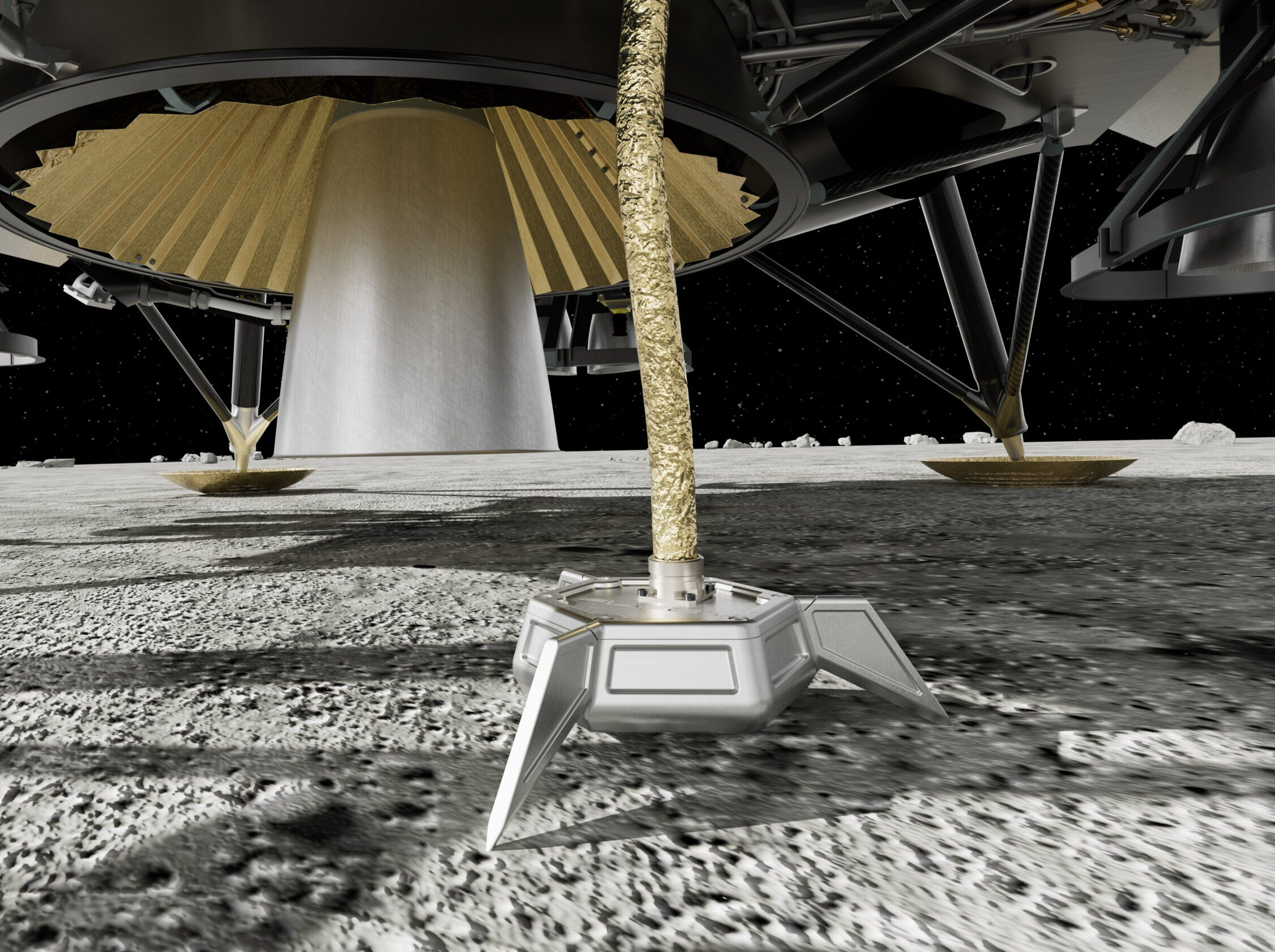
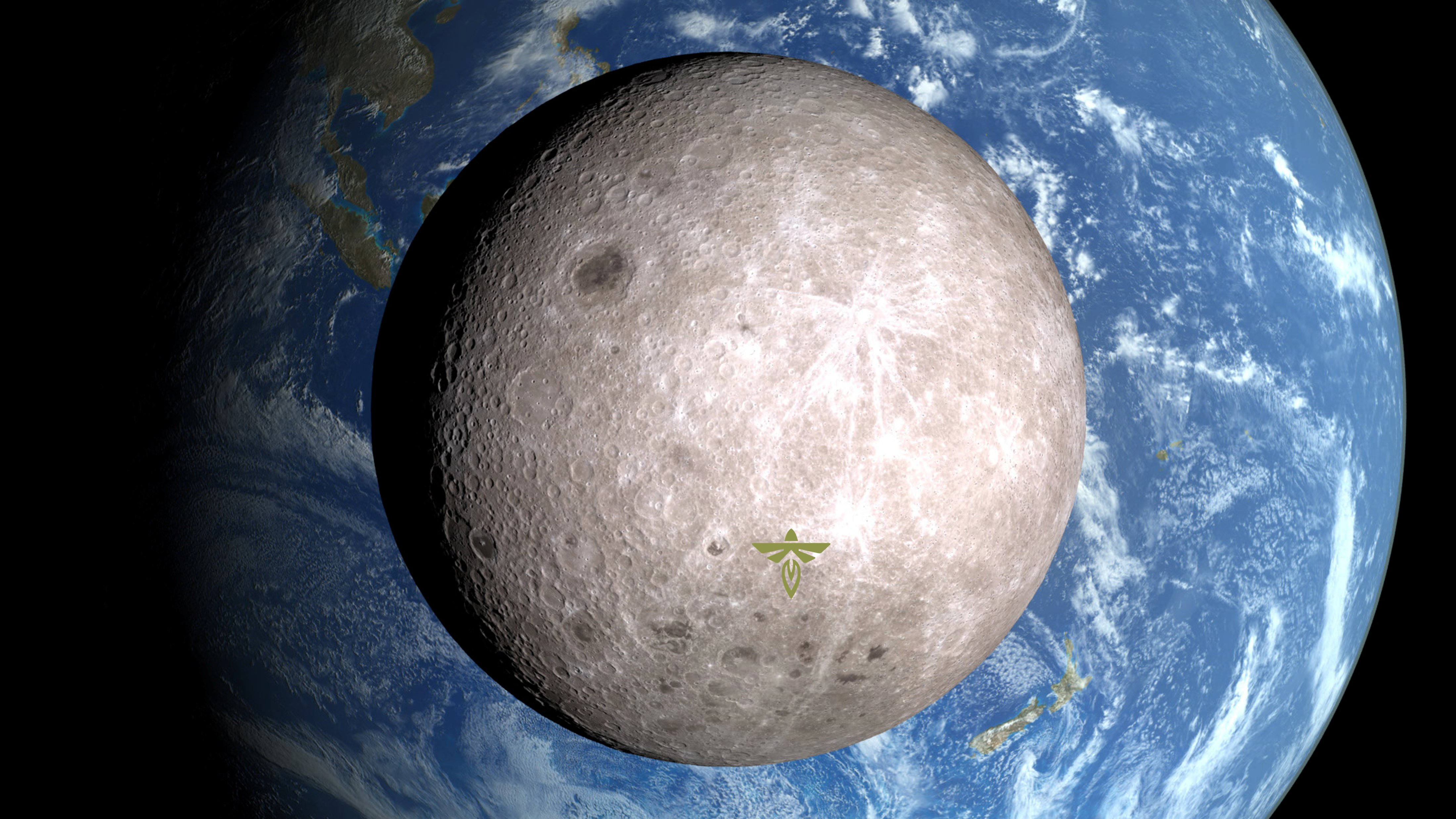
Following separation from Firefly’s Elytra vehicle in lunar orbit, our Blue Ghost lander will touch down on the far side of the Moon for the first time in American history. This uniquely “quiet” region is shielded from Earth-born radio frequency noise, making the region well suited to collect valuable data on the cosmic Dark Ages and study the unique composition of the Moon’s far side.
Our Destination
Following separation from Firefly’s Elytra vehicle in lunar orbit, our Blue Ghost lander will touch down on the far side of the Moon for the first time in American history. This uniquely “quiet” region is shielded from Earth-born radio frequency noise, making the region well suited to collect valuable data on the cosmic Dark Ages and study the unique composition of the Moon’s far side.
Join Our Mission
Blue Ghost Mission 2 still has payload capacity available for additional customers with deployment options and services available in lunar orbit and on the far side of the Moon. Get in touch to learn more about joining our mission.