Mission Details
Mission Summary
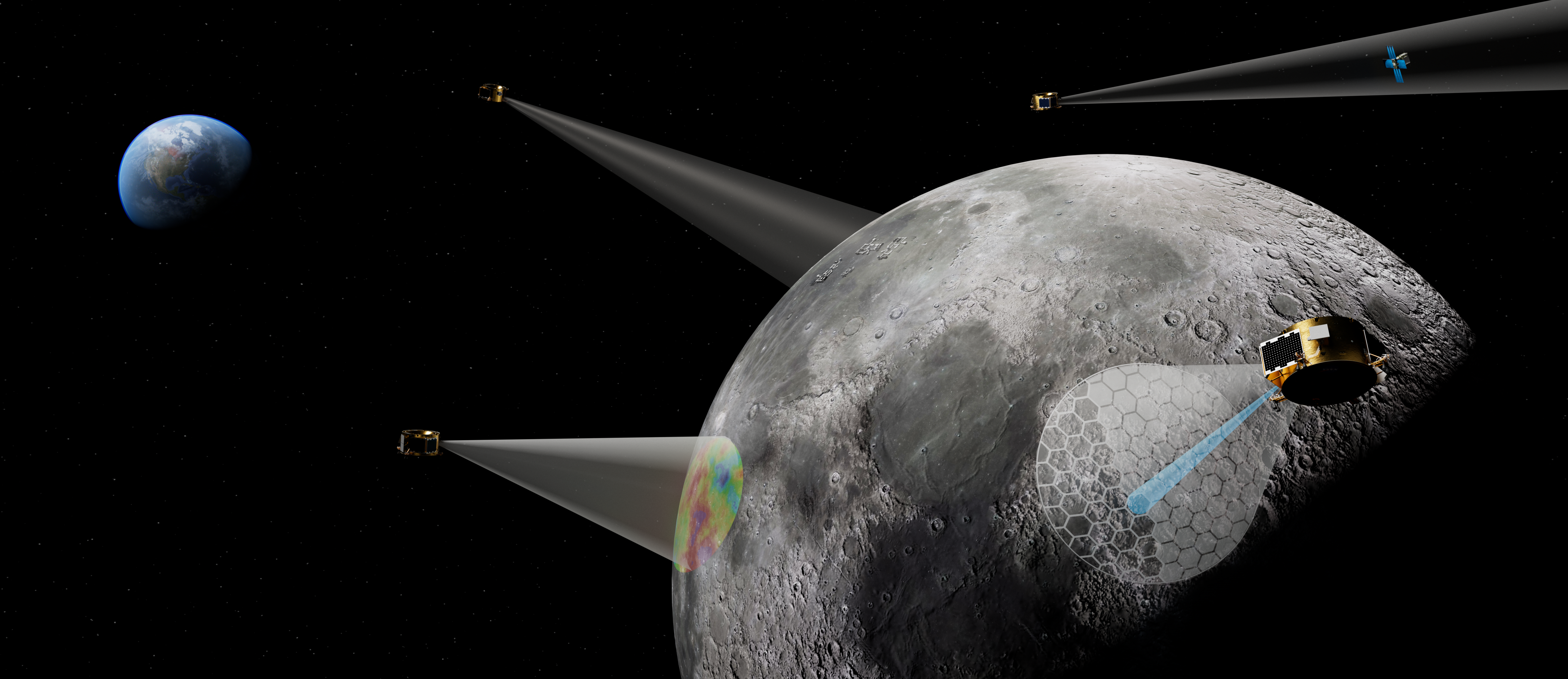
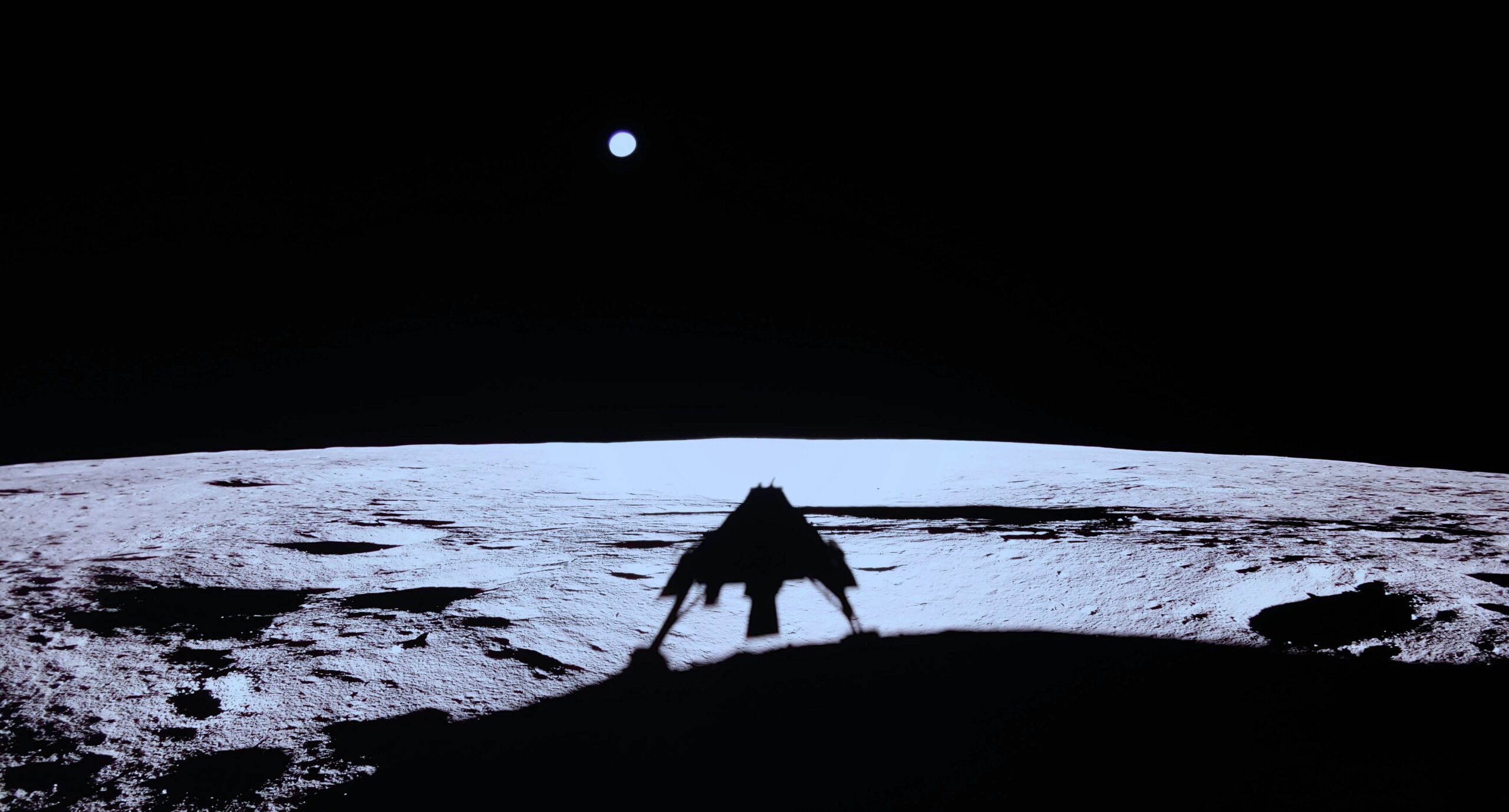
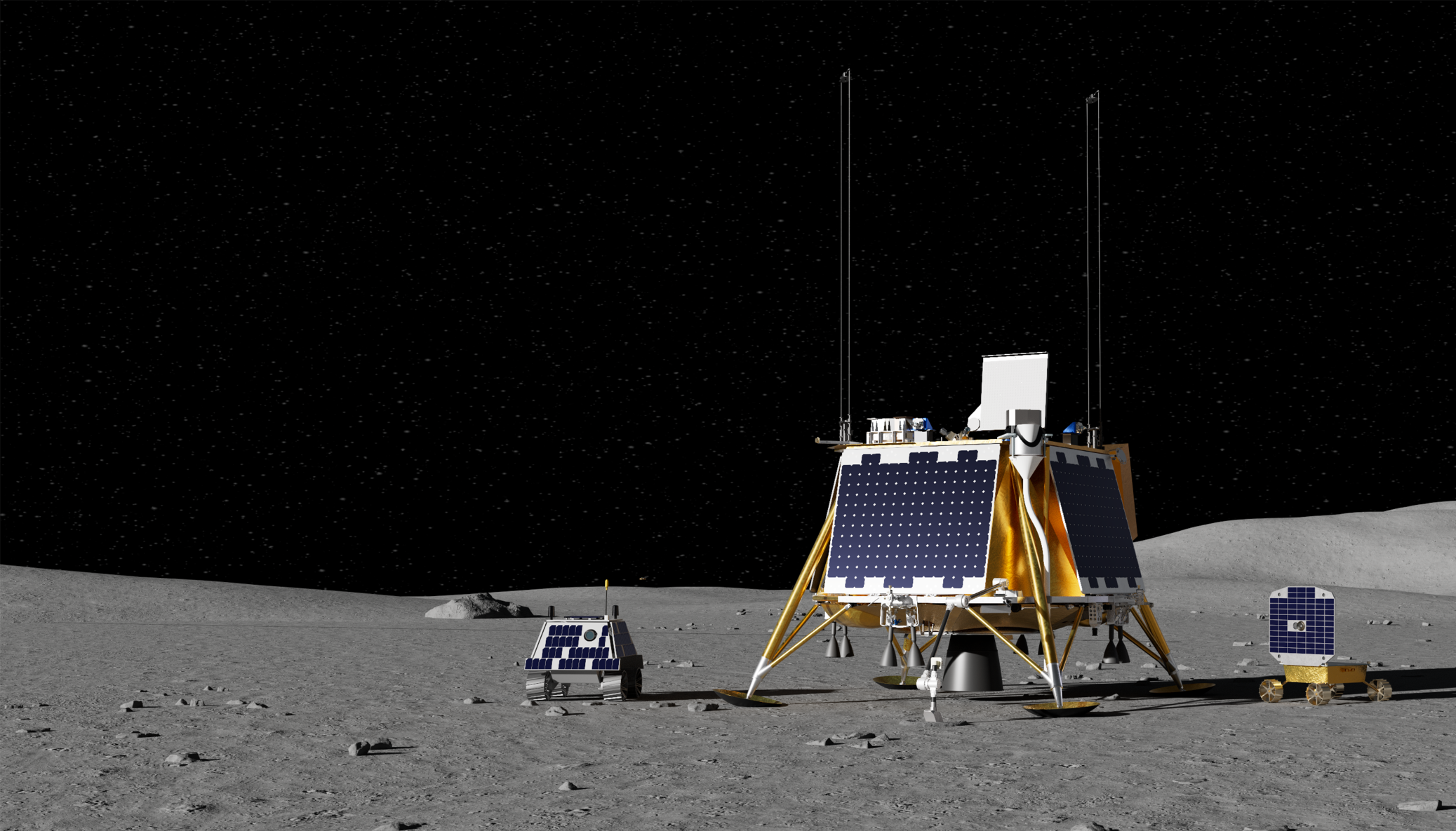
As part of NASA’s Commercial Lunar Payload Services (CLPS) initiative, Firefly’s mission to the Moon’s south pole, targeted to launch no earlier than 2029, will utilize Firefly’s Blue Ghost lunar lander and Elytra Dark orbital vehicle to deliver and operate two rovers and three scientific instruments. During mission operations, Elytra Dark will first deploy Blue Ghost into lunar orbit and remain on orbit to provide a long-haul communications relay and capture continuous lunar imagery as part of Firefly’s Ocula service. Blue Ghost will then land in the Moon’s south pole region, deploy the rovers, and enable payloads operations with data, power, and communications services for more than 12 days on the lunar surface.
Our Payloads
The payloads onboard Blue Ghost include two rovers that will identify the Moon’s south pole resources, such as hydrogen, water, and other minerals, and study the radiation and thermal environment. Blue Ghost will also deliver and operate three scientific instruments, including a mass spectrometer that will characterize the chemical composition of lunar regolith, a series of cameras that will further study the effects of a lander’s plume on the Moon’s surface during landings, and an optical instrument designed to provide precision laser ranging from orbiting or landing spacecraft. These investigations will provide critical knowledge required for a long-term presence on the Moon and enable a deeper understanding of the lunar surface.
Canadian Space Agency
Carnegie Mellon University; Astrobotic; NASA Ames Research Center
University of Bern
NASA Goddard Space Flight Center
NASA Langley Research Center
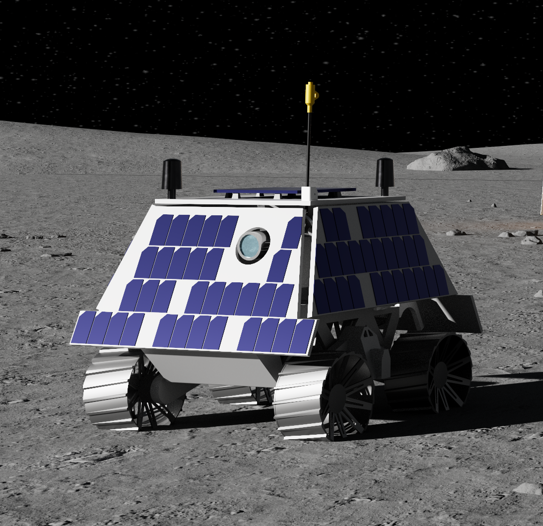
CSA Rover
Canadian Space Agency
CSA (Canadian Space Agency) Rover is designed to traverse the surface of the Moon to access, explore, and discover remote South Pole areas of interest, including the ability to survive multiple lunar nights (one lunar night is approximately 14 Earth days) and explore permanently shadowed regions for a short duration. The CSA rover hosts cameras, a neutron spectrometer, two imagers, a radiation micro-dosimeter, and a NASA-contributed radiometer developed by the Applied Physics Laboratory. These instruments will advance our understanding of the physical and chemical properties of the lunar surface, the geological history of the Moon, potential resources, and the environmental challenges that await future astronauts and their life support systems.
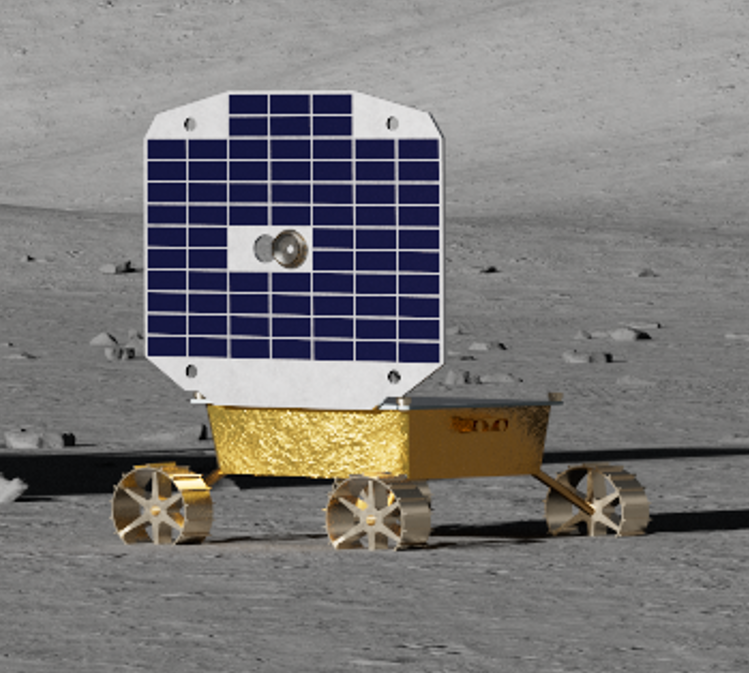
MoonRanger Rover
Carnegie Mellon University; Astrobotic; NASA Ames Research Center
MoonRanger is an autonomous microrover that will explore the lunar surface. MoonRanger will collect images and telemetry data while demonstrating autonomous capabilities for lunar polar exploration. Its onboard Neutron Spectrometer System instrument will study hydrogen-bearing volatiles and the composition of lunar regolith.
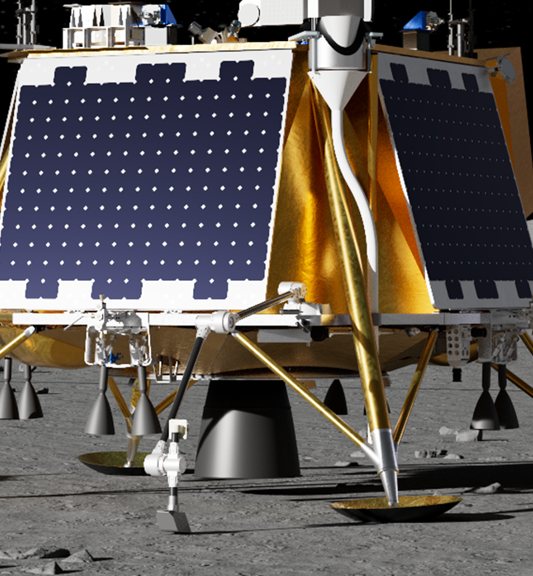
Laser Ablation Ionization Mass Spectrometer (LIMS)
University of Bern
Laser Ionization Mass Spectrometer (LIMS) is a mass spectrometer that will analyze the element and isotope composition of lunar regolith. The instrument will utilize a Firefly-built robotic arm and Titanium shovel that will deploy to the lunar surface and support regolith excavation. The LIMS system will then funnel the sample into its collection unit on Blue Ghost’s top deck and use a pulsed laser beam to identify differences in chemistry compared to samples studied in the past, such as those collected during the Apollo program. Grain-by-grain analyses will provide a better understanding of the chemical complexity of the landing site and the surrounding area, offering insights into the evolution of the Moon.
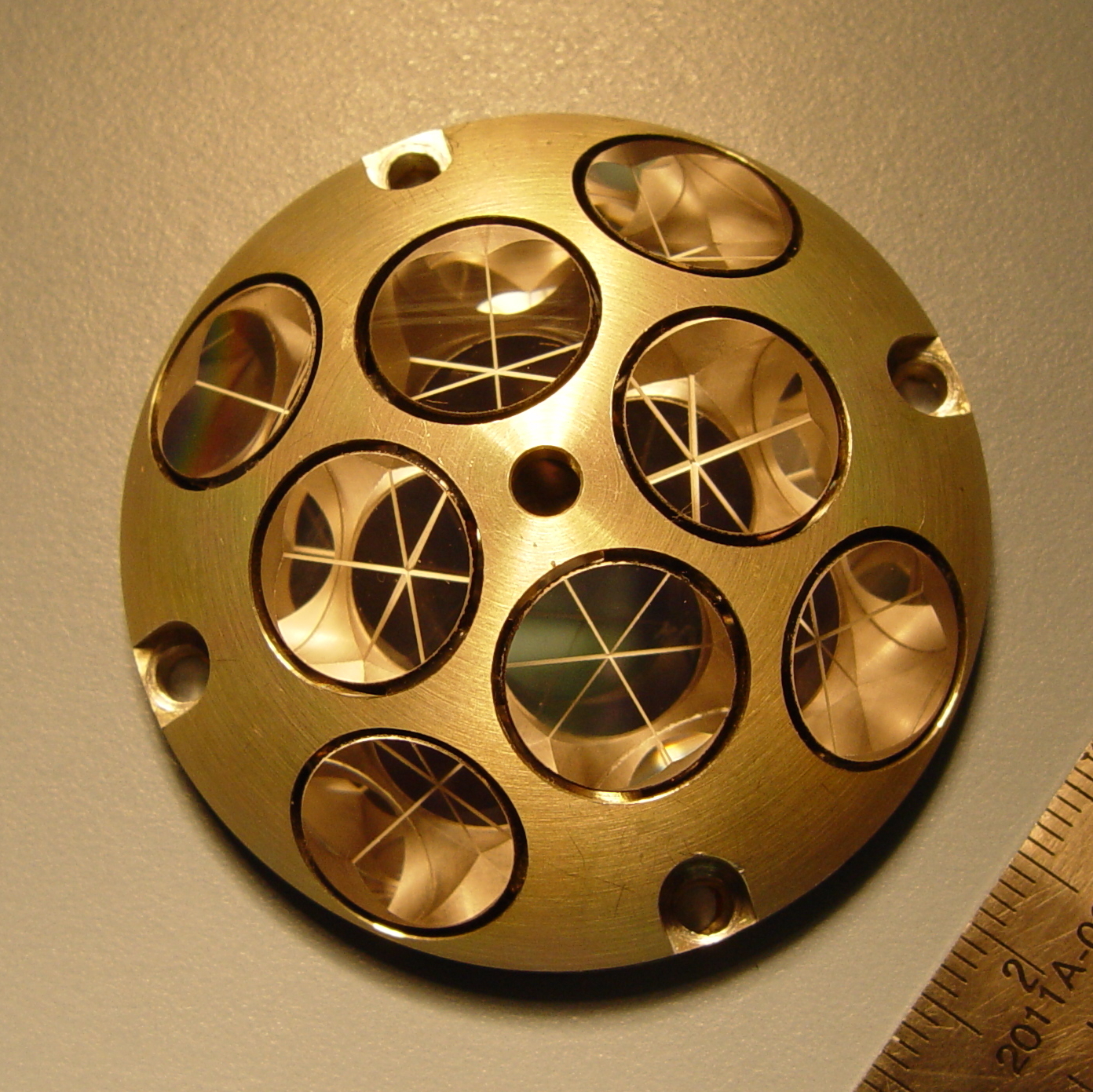
Laser Retroreflector Array (LRA)
NASA Goddard Space Flight Center
Laser Retroreflector Array (LRA) is an array of eight retroreflectors on an aluminum support structure that enables precision laser ranging, which is a measurement of the distance between the orbiting or landing spacecraft to the reflector on the lander. The Laser Retroreflector Array is a passive optical instrument, which functions without power, and will serve as a permanent location marker on the Moon for decades to come.
Stereo Cameras for Lunar Plume Surface Studies (SCALPSS)
NASA Langley Research Center
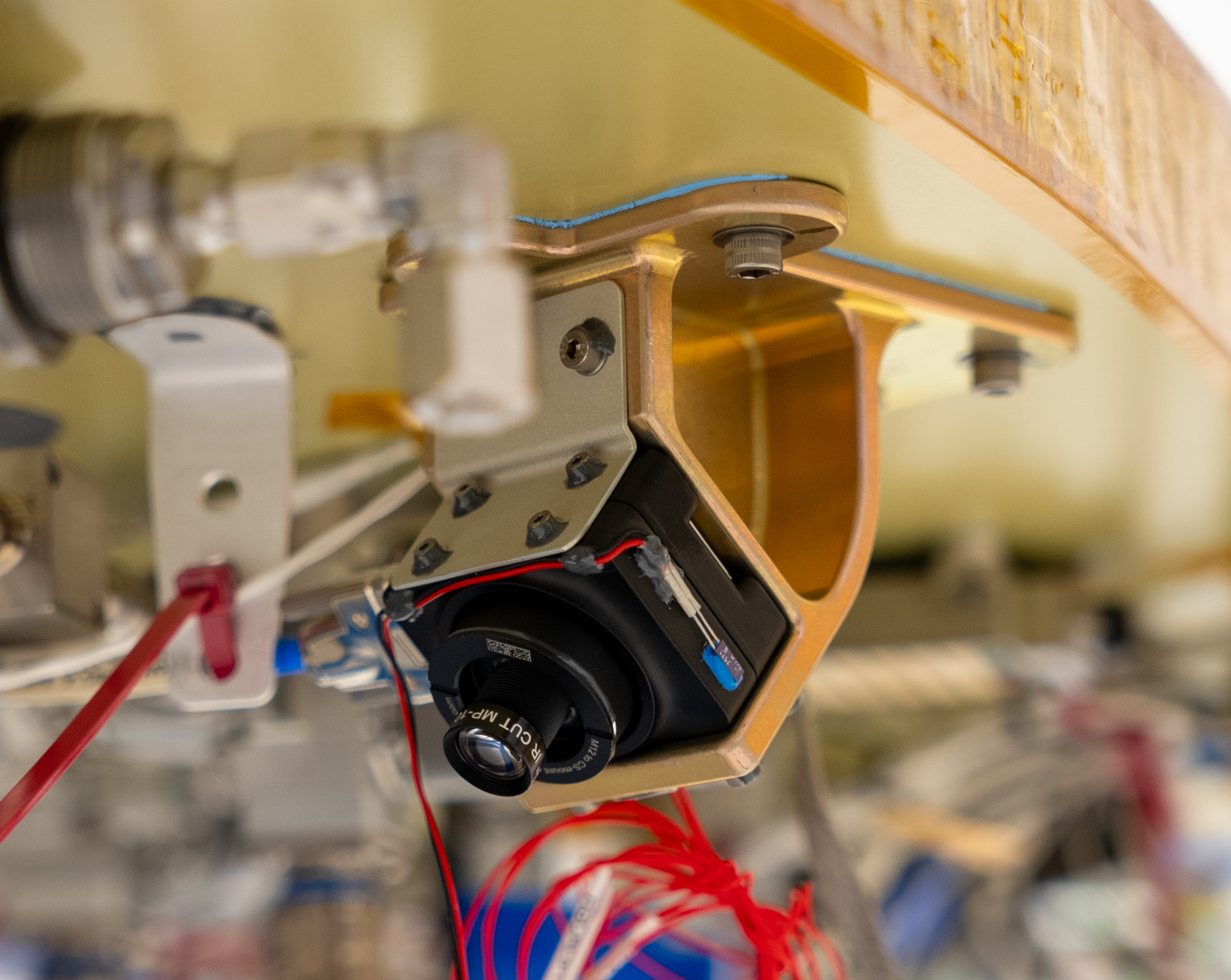
Stereo Cameras for Lunar Plume Surface Studies (SCALPSS), which also flew on Blue Ghost Mission 1, will use enhanced stereo imaging photogrammetry, active illumination, and ejecta impact detection sensors to capture the impact of the rocket exhaust plume on lunar regolith as the lander descends on the Moon’s surface. The high-resolution stereo images will help create models to predict lunar regolith erosion and ejecta characteristics, as bigger, heavier spacecraft and hardware are delivered to the Moon in close proximity to each other in the future.
Our Ride
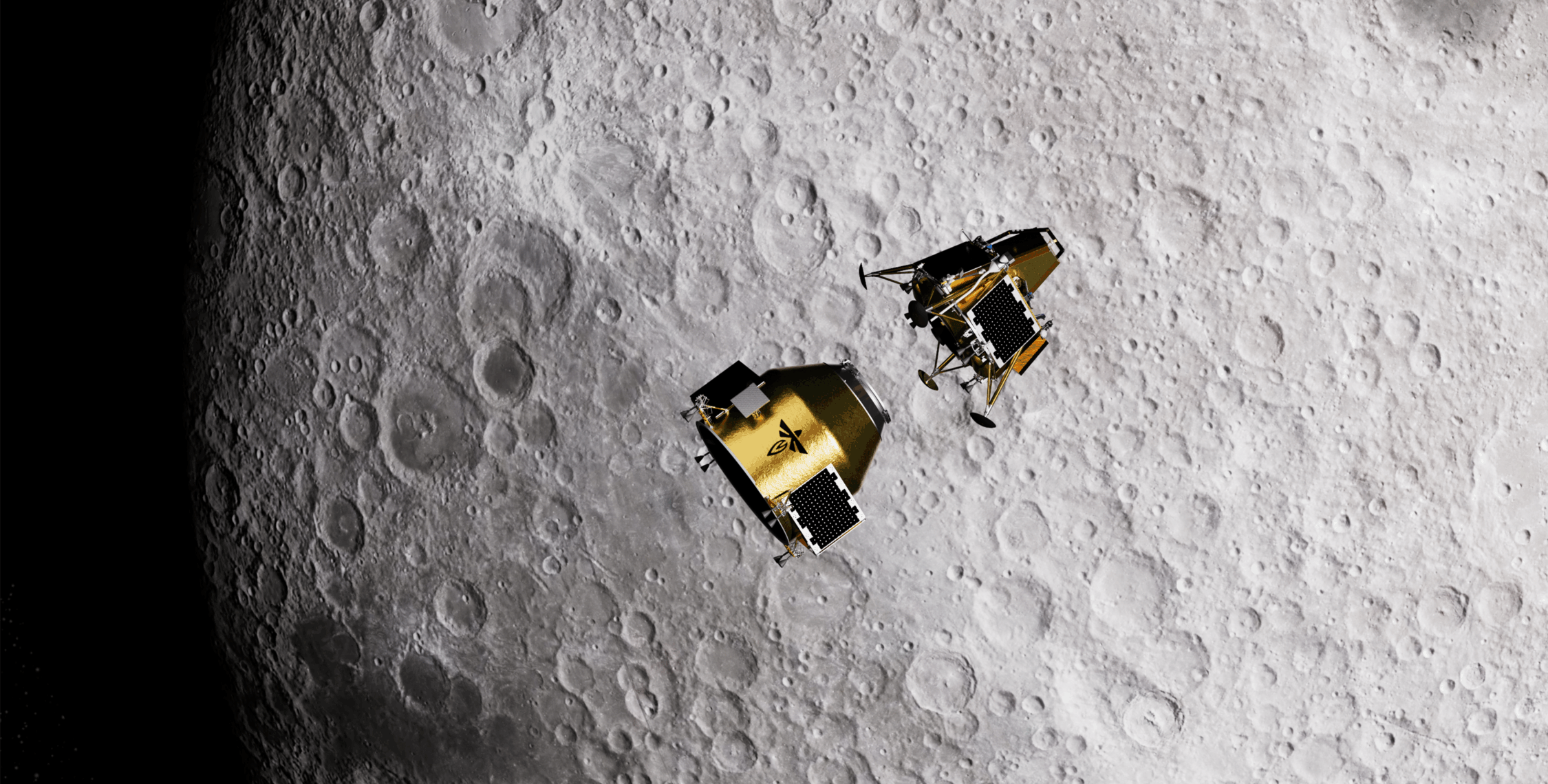
Similar to Firefly’s missions to the Moon’s far side and Gruithuisen Domes, this mission utilizes Firefly’s dual spacecraft configuration with our Blue Ghost lunar lander stacked on our Elytra Dark orbital vehicle. This unique configuration enables payload deployment and operations in lunar orbit and on the lunar surface. Both spacecraft are built with the same flight-proven hardware and systems that enabled the first successful commercial Moon landing on Blue Ghost Mission 1.
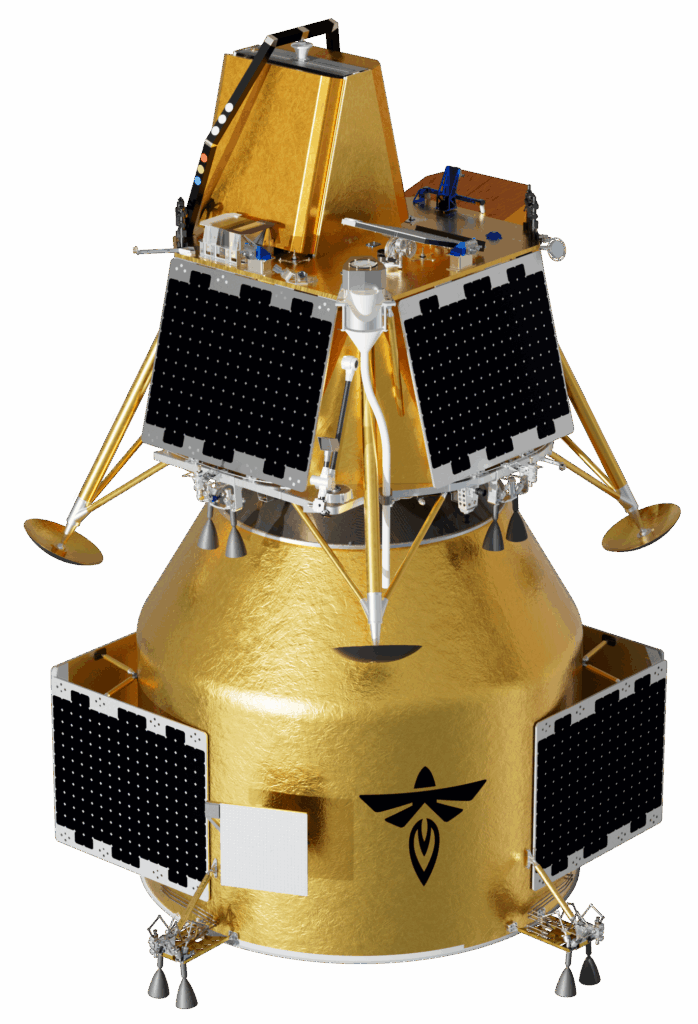
Full Spacecraft Stack
Stacked on Elytra Dark, Blue Ghost carries two rovers – one on the top deck and one integrated on the side within protective cases to shield the rovers during transit prior to deployment on the lunar surface. Blue Ghost also has three additional science instruments integrated on its top and bottom decks.
At the bottom of the stack, Elytra Dark will serve as a transfer vehicle for Blue Ghost. Following deployment, Elytra will remain in lunar orbit to provide a communications relay for the mission and supplement Firefly’s growing Elytra constellation that enables Firefly’s Ocula lunar imaging service.
Our Destination
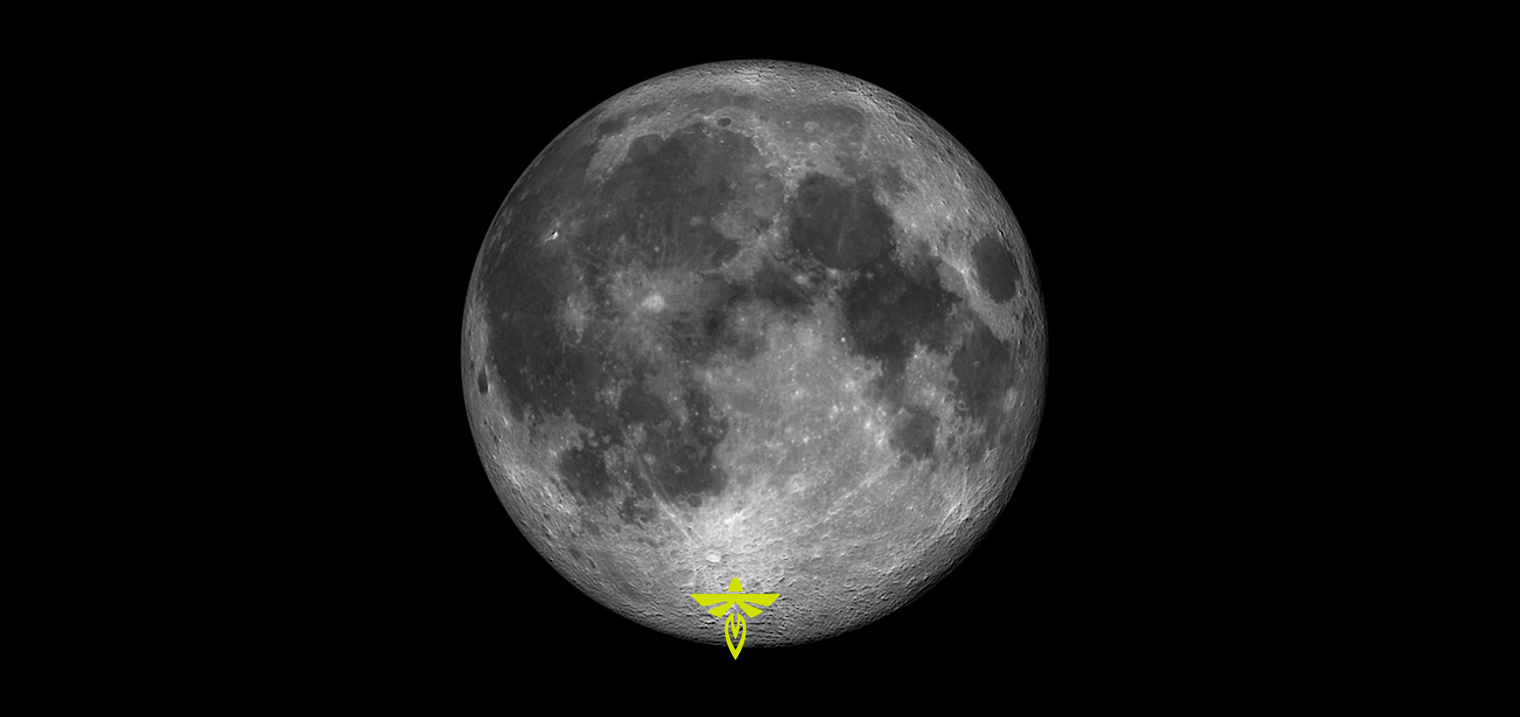
Firefly’s Blue Ghost lander will touch down in the Moon’s south pole region, approximately 40 km south of Mons Malapert on the rim of the Haworth Crater. Landing just outside Haworth will provide enough solar power to the lander’s solar arrays, while giving the rovers access to the crater and permanently shadowed regions. This unique area of the Moon is expected to have water, hydrogen, methane, carbon dioxide, and other volatiles that could be utilized as resources for future human and robotic missions.
Join Our Mission
Firefly's upcoming missions to the Moon have payload capacity for additional customers. We offer payload delivery, communications, and imaging in lunar orbit with our Elytra spacecraft as well as lunar surface delivery and operations with our Blue Ghost lander. Get in touch to learn more about joining an upcoming mission.