Firefly’s AI software will run on NVIDIA Jetson module onboard Elytra spacecraft in lunar orbit to enable faster data-driven insights from the Moon
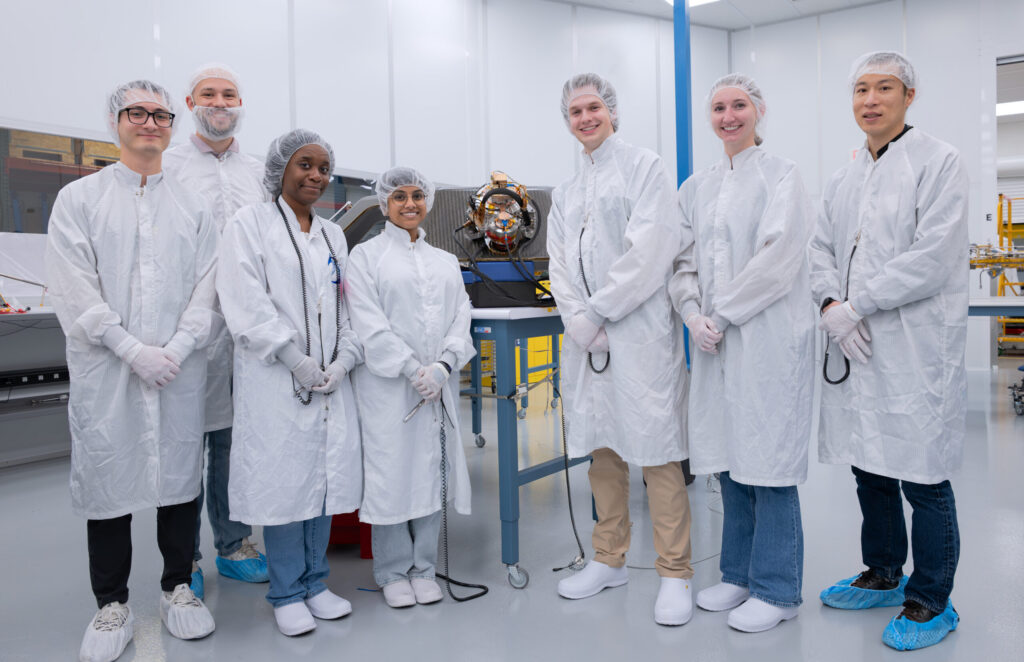
CEDAR PARK, Texas, April 8, 2026 – Firefly Aerospace (Nasdaq: FLY), a market leading space and defense technology company, today announced a collaboration with NVIDIA to enable rapid on-orbit processing in lunar orbit for Firefly’s Ocula Moon imaging service. As part of the collaboration, an NVIDIA Jetson module was embedded on high-resolution Lawrence Livermore National Laboratory telescopes and delivered to Firefly’s spacecraft facility ahead of integration on its Elytra orbital vehicle.
“Ocula is set to be the first commercial lunar imaging and mapping service available on the market, and it’s coming at a critical time when other government-owned satellites in lunar orbit are nearing end of life,” said Jason Kim, CEO of Firefly Aerospace. “Now through our collaboration with NVIDIA, Ocula will be powered by the world’s leading edge AI processor. This capability allows us to layer on our SciTec AI software as the ‘brains’ that give customers real-time data driven insights from the Moon.”
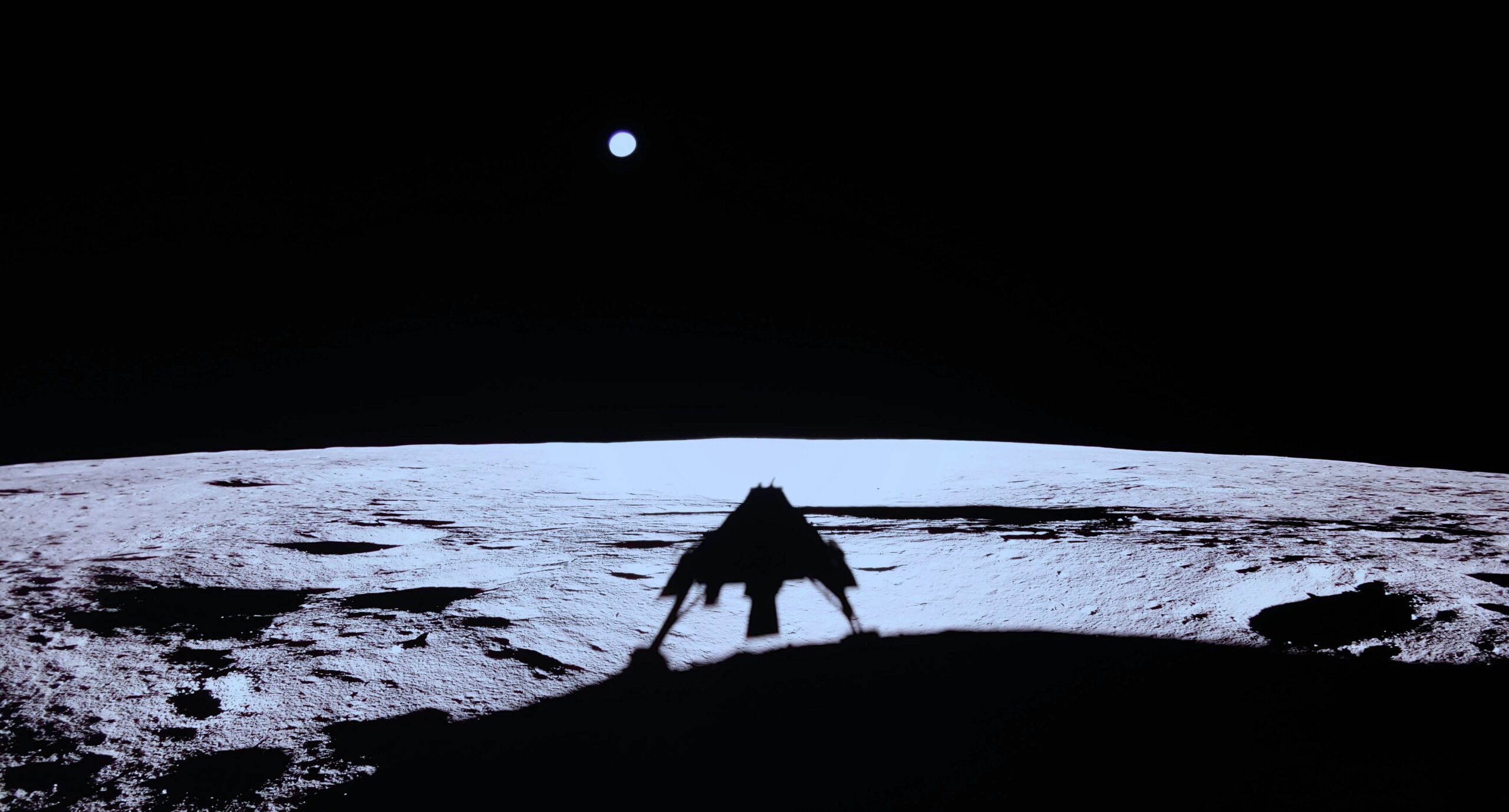
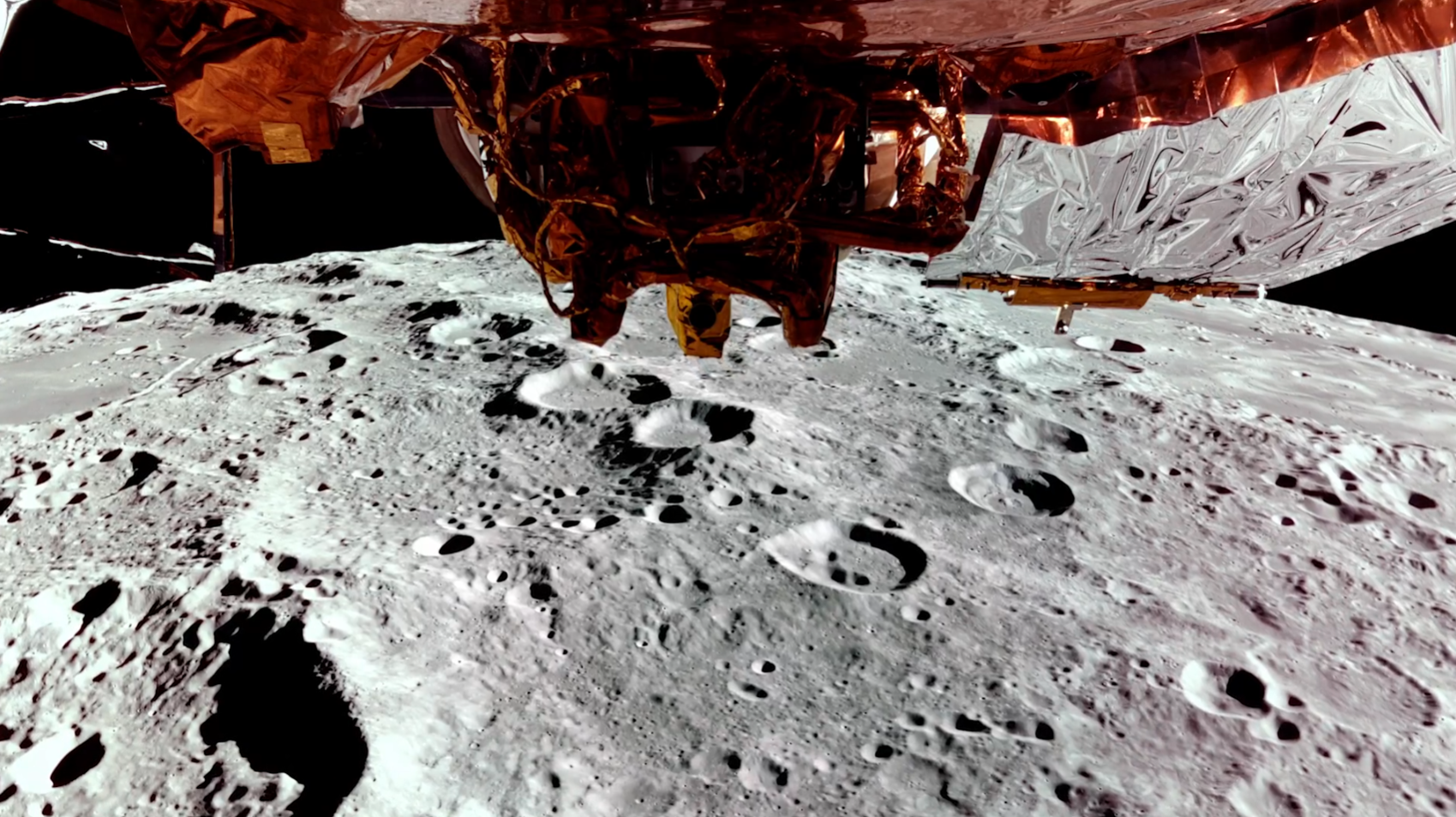
Firefly’s Ocula service will be activated onboard Elytra as part of Firefly’s second mission to the Moon, Blue Ghost Mission 2, targeted to launch no earlier than late 2026. Elytra will first serve as a transfer vehicle and long-haul communications relay for Firefly’s Blue Ghost lander. Elytra will then remain operational in lunar orbit for approximately five years, capturing continuous imagery for the Ocula service in support of advanced lunar surface mapping, mineral detection, and reconnaissance.
Firefly’s Ocula data will be rapidly processed onboard Elytra and autonomously transmitted back to Earth utilizing the NVIDIA Jetson module combined with Firefly’s AI software enabled by its SciTec subsidiary. This allows Firefly to mitigate downlink constraints from the Moon by processing data on orbit before it is transmitted to Earth as real-time, actionable insights for government and commercial customers.
“Modern space missions generate massive volumes of data that require immediate processing to overcome the latency and bandwidth constraints of deep-space communications,” said Deepu Talla, vice president of Robotics and Edge AI at NVIDIA. “Integrating the NVIDIA Jetson platform into Firefly’s Elytra spacecraft enables autonomous, on-orbit AI processing that transforms raw lunar imagery into actionable insights in real time.”
Firefly’s AI-powered software will further enable advanced space domain awareness in lunar orbit. These AI algorithms and data fusion technologies, already proven in critical national security missions in Earth orbit, will enable Elytra to leverage multiple data feeds onboard to more accurately track maneuvering objects and provide timely situational awareness of space operations occurring in the cislunar domain.
Following Blue Ghost Mission 2, Firefly is on contract to deploy two additional Elytra vehicles to lunar orbit as part of Blue Ghost Mission 3 and Mission 4, enabling faster revisit times for space domain awareness, lunar surface mapping, and resource detection.