Past Mission

FLTA006 Message in a Booster
Mission Details
 Mission Summary
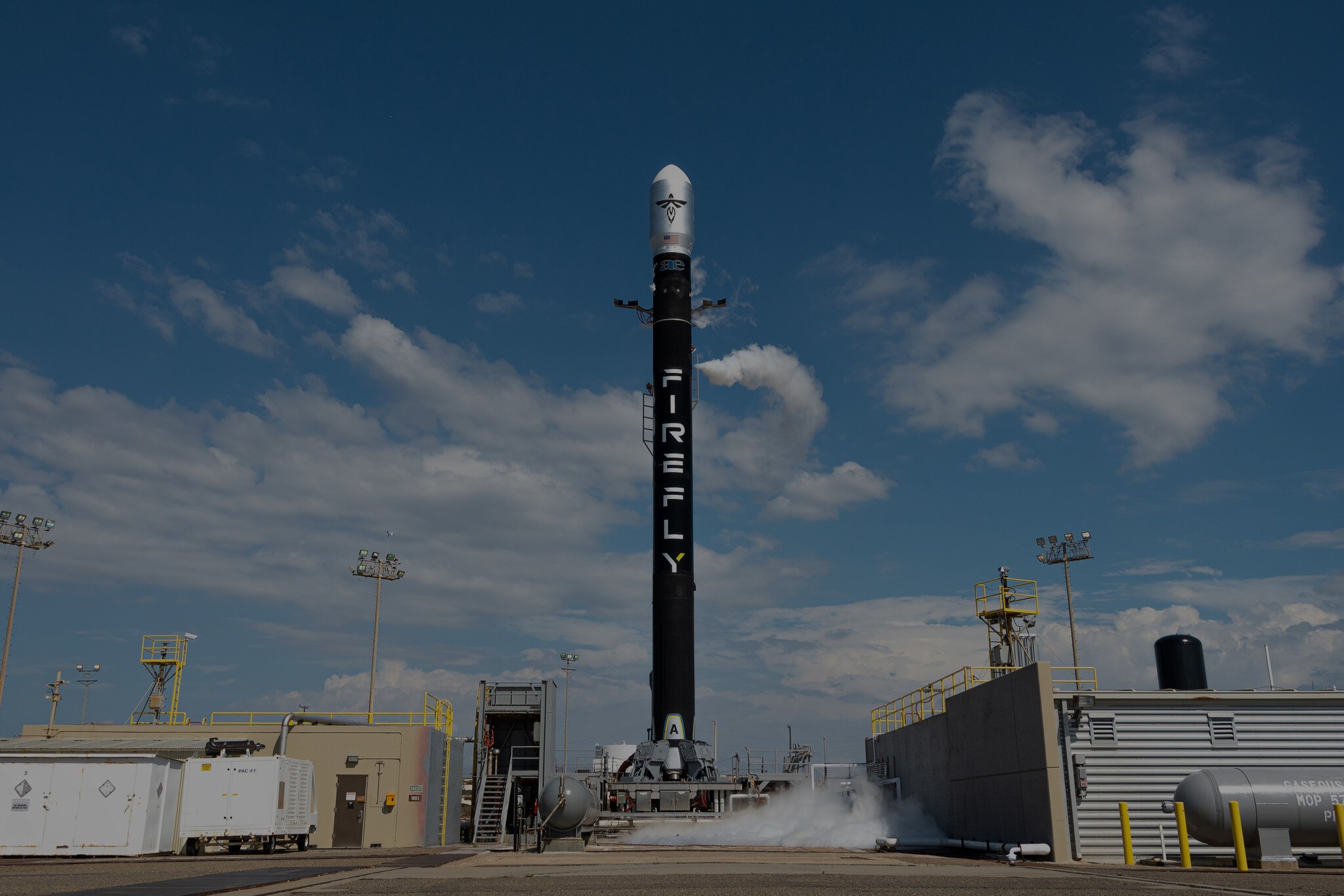
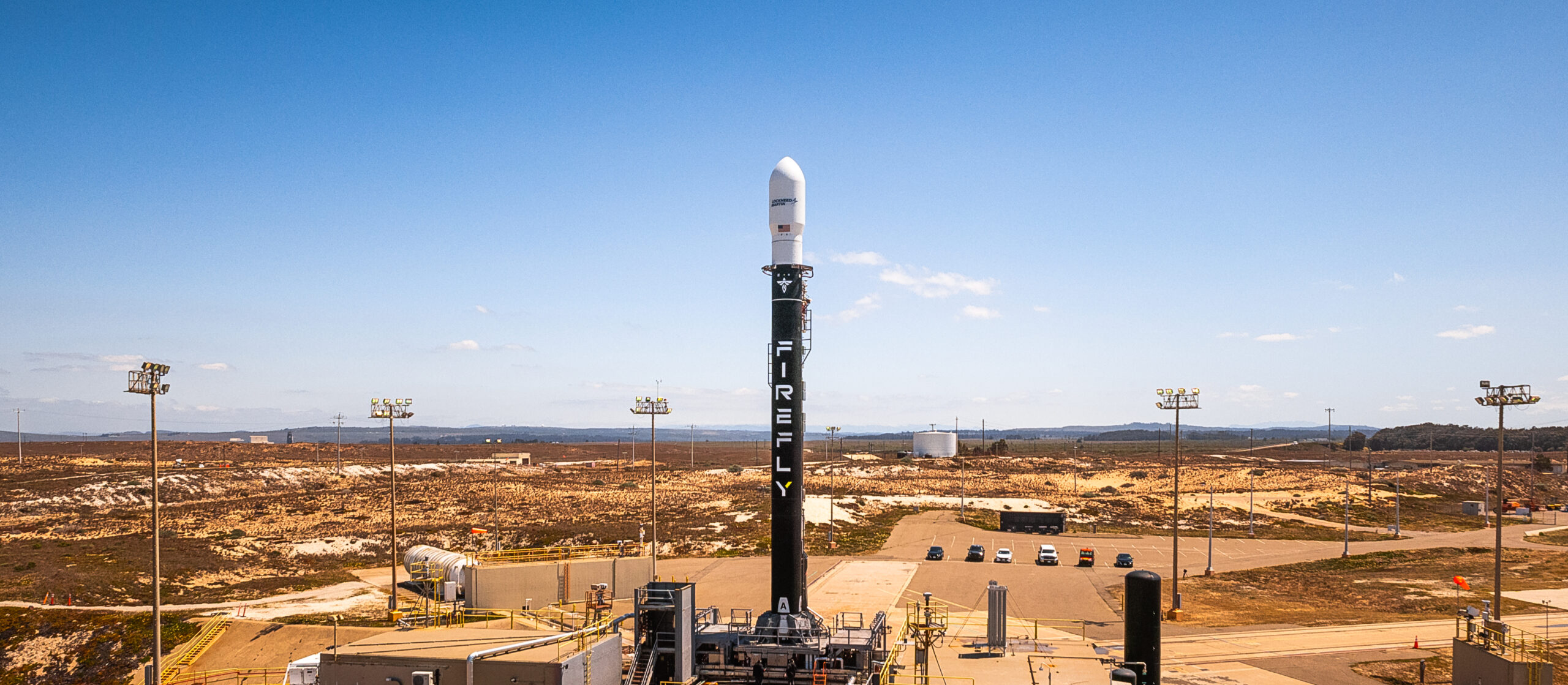
Alpha FLTA006 is the second mission Firefly launched for Lockheed Martin and the first of Firefly’s multi-launch agreement with Lockheed Martin that includes up to 25 missions over the next five years. The mission carried Lockheed Martin’s LM 400 tech demo with a goal to prove out the risk-reduction and pathfinding efforts the company has done for its multi-mission satellite bus.
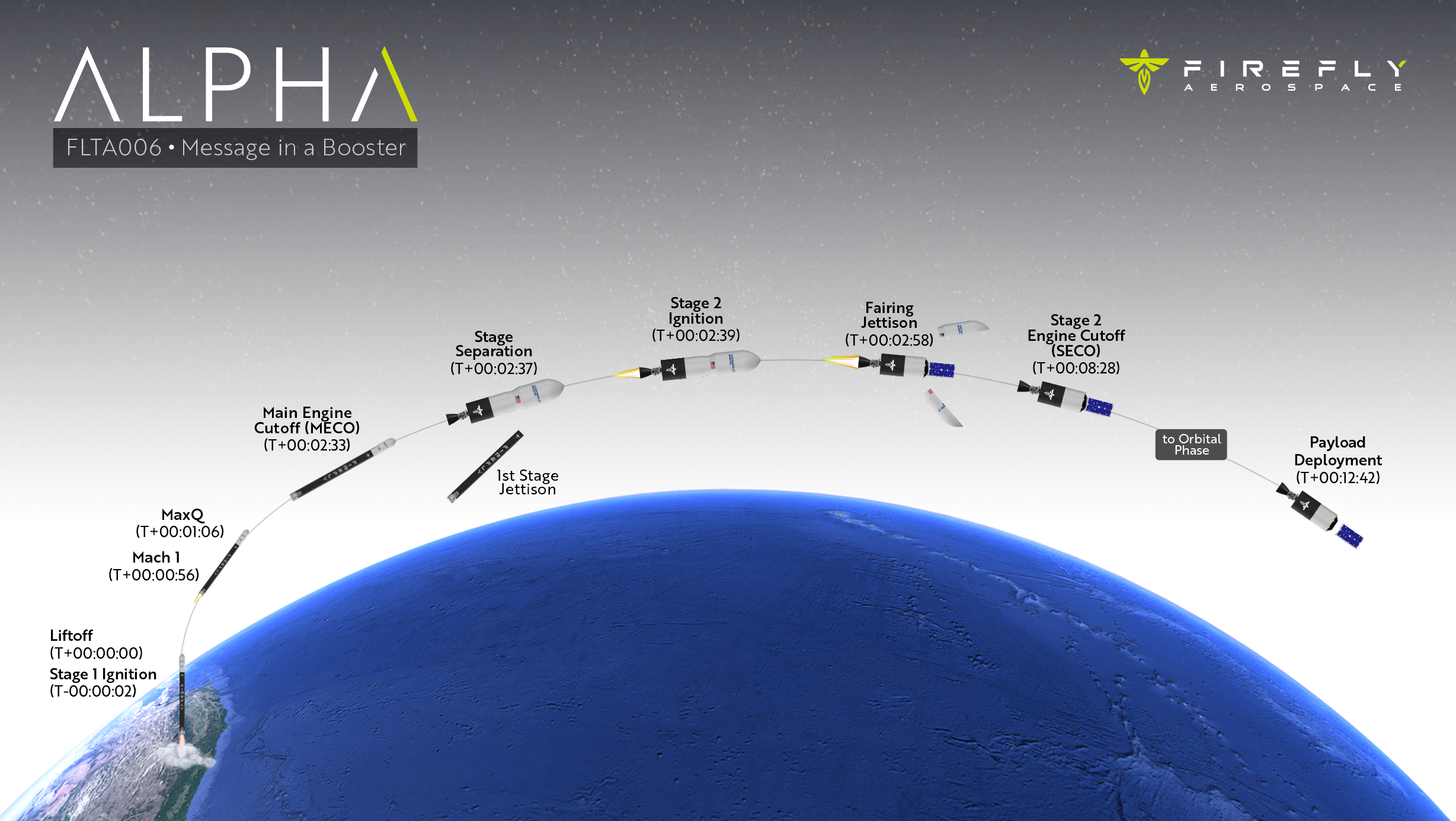
Flight Timeline
The following graphic shows an approximate timeline (HH:MM:SS) for the key mission milestones after liftoff.
Mission Updates
August 26, 2025 – Firefly Aerospace has received Federal Aviation Administration (FAA) clearance to resume Alpha rocket launches following the Flight 6 mishap on April 29, 2025.
The company conducted a thorough investigation with the FAA and in parallel assembled an Independent Review Board of multiple government agencies, customers, and industry experts. The findings confirmed Firefly’s flight safety system performed nominally through all phases of flight. Both Alpha stages landed safely in the Pacific Ocean and the launch posed no risk to public safety.
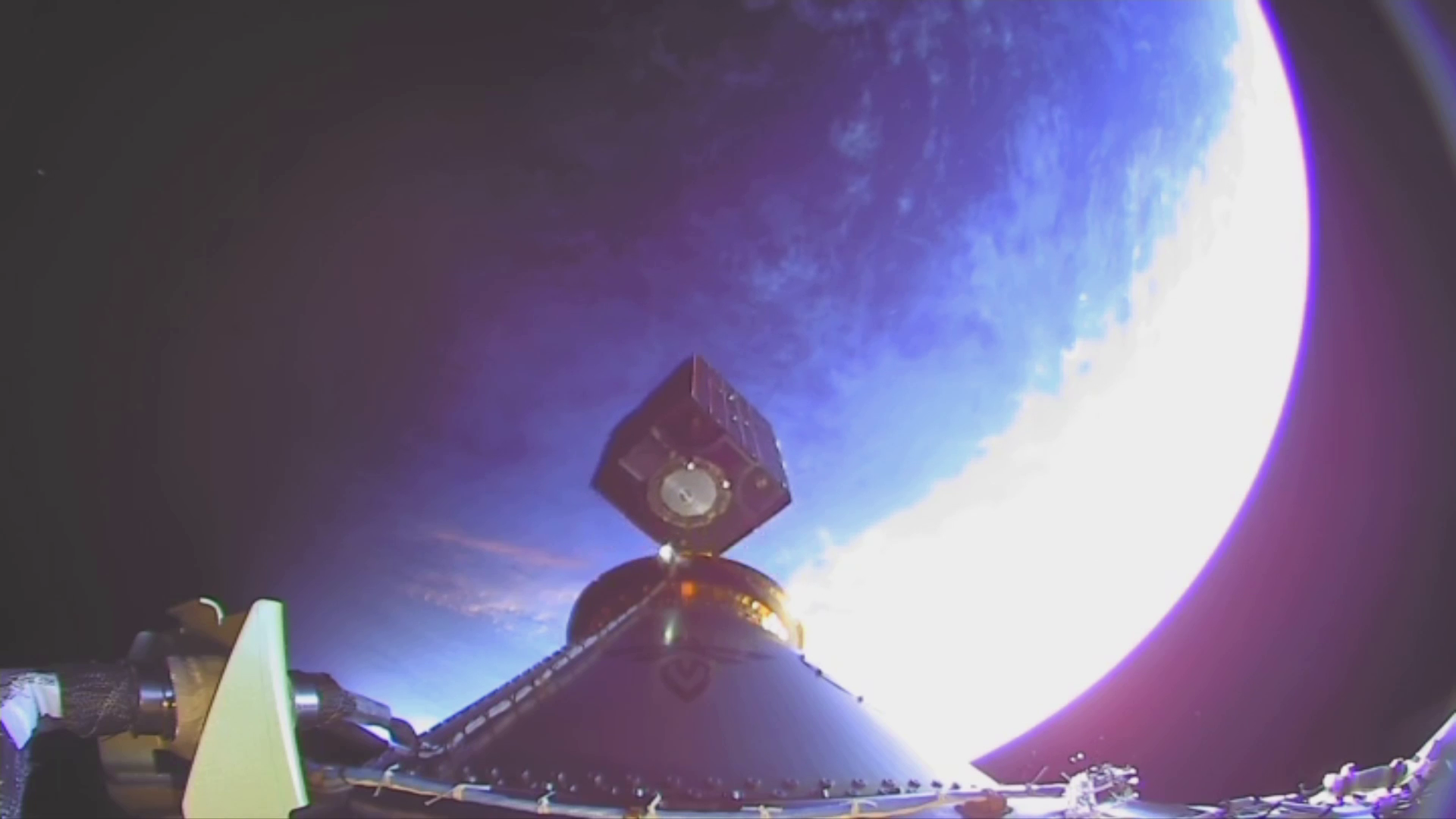
Alpha Flight 6 lifted off and ascended nominally through stage separation. Alpha’s first stage then experienced a rupture milliseconds after stage separation. The pressure wave hit Alpha’s second stage, leading to the loss of the engine’s nozzle extension and substantially reducing stage two thrust. The second stage was able to recover attitude control and continued to ascend to an altitude of 320 km until running out of propellant. The vehicle was three seconds short of achieving orbital velocity and five seconds short of the target payload deployment orbit.
The ground-based video, onboard telemetry, post-flight empirical testing and Computational Fluid Dynamics analysis corroborated excessive heat from Plume Induced Flow Separation as the most probable root cause of the mishap. Alpha Flight 6 flew a higher angle of attack than prior missions. Plume-induced flow separation intensified heat on the leeward side reducing structural margins, causing the booster to rupture from stage separation induced loads.
Fortunately, the corrective actions are straight forward: increase thermal protection system thickness on Stage 1 and reduce angle of attack during key phases of the flight. Corrective actions have already been implemented.
“At Firefly, technical challenges aren’t roadblocks — they’re catalysts,” said Jordi Paredes Garcia, Alpha Chief Engineer at Firefly Aerospace. “Each mission provides us more data and enables us to continuously improve. Following all the lessons learned and corrective actions implemented, we were able to further increase Alpha’s reliability. We are grateful to the FAA, our customers, and the independent review board for their continued support through this process.”
With FAA approval to return to flight and corrective actions implemented, Firefly is now working to determine the next available launch window for Alpha Flight 7.
April 29, 2025 – Today, Firefly’s Alpha FLTA006 launch began with a nominal liftoff and progressed through first stage flight, reaching target separation velocity. The rocket then experienced a mishap between stage separation and second stage ignition that led to the loss of the Lightning engine nozzle extension, substantially reducing the engine’s thrust.
Initial indications showed Alpha’s upper stage reached 320 km in altitude. However, upon further assessment, the team learned the upper stage did not reach orbital velocity, and the stage and payload have now safely impacted the Pacific Ocean in a cleared zone north of Antarctica.
Firefly recognizes the hard work that went into payload development and would like to thank our mission partners at Lockheed Martin for their continued support. The team is working closely with our customers and the FAA to conduct an investigation and determine root cause of the anomaly. We will provide more information on our mission page after the investigation is completed.